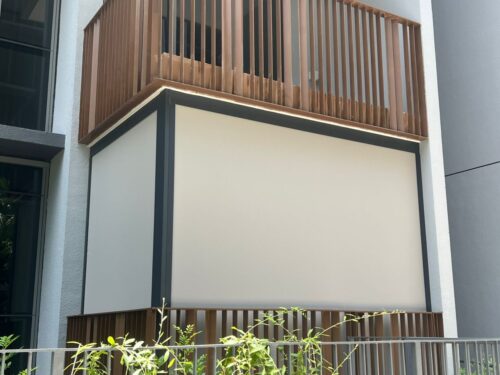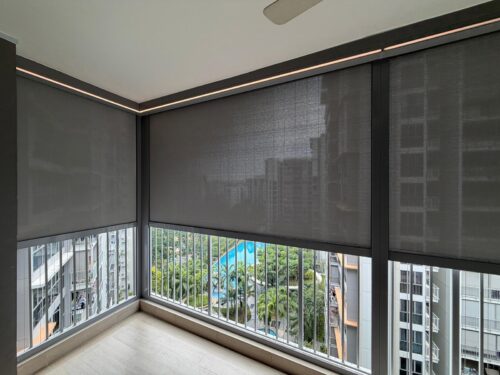
To reduce heat in a room in Singapore, start by limiting direct sunlight, improving airflow when outdoor conditions are suitable, and cutting unnecessary indoor heat. If you are comparing blinds in singapore, consider your window’s orientation, fabric and coverage rather than appearance alone. A west-facing HDB bedroom needs a different approach from a shaded condominium living room.
1. Why Does Your Room Get So Hot?
Sunlight entering through glass can warm floors, desks and furniture, which then release heat into the room. East-facing windows commonly receive morning sun; west-facing windows face stronger afternoon exposure. This can be particularly noticeable in HDB flats, BTO apartments and condominiums with large glazed windows.
But sunlight is not the only cause. Poor airflow, heat-producing appliances and sun-exposed walls or roofs may also contribute.
Try this quick check
Note when the room becomes uncomfortable and which surfaces are in direct sun. If it stays hot long after sunset, window coverings may be only part of the solution.
2. Shade the Window Before the Heat Builds Up
Close the covering before direct sunlight reaches the window, rather than waiting for the room to feel hot. Shading helps stop sun from striking and warming interior surfaces, although indoor coverings cannot eliminate all heat passing through the glass.
Singapore’s National Environment Agency (NEA) recommends curtains, blinds and solar window films to manage unwanted solar heat.
For a west-facing living room, adjust the shade ahead of the afternoon sun; for an east-facing bedroom, consider morning coverage. Check that the fabric covers the full sunlit area, including the edges.
3. Match Window Coverings to the Room’s Needs
Choose by the problem you want to solve: glare, room darkness, daytime privacy or a combination. These are related benefits, but they are not interchangeable.
| Room or need | Practical option | Trade-off to consider |
| Bright living room or study | Sunscreen roller blind | Filters glare while retaining some daylight; does not fully darken the room |
| Bedroom exposed to afternoon sun | Dim-out or blackout curtain | Greater light reduction and privacy; gaps around the edges still matter |
| Multi-use family room | Sheer layer plus opaque curtain | Flexible light control, but requires additional track space |
For a workspace, explore sunscreen roller blinds that let you work in natural light with less glare. For sleeping spaces, compare dim-out and blackout night curtains according to your preferred level of darkness.
When comparing fabrics, ask for actual solar-performance specifications. A “blackout” label describes light blocking, not necessarily a measured reduction in room temperature.
For hard-to-reach windows, selected mc.2 roller systems use Somfy motorisation, which can make daily shading more convenient. However, motorisation does not change the fabric’s inherent solar performance.
4. Improve Airflow Without Bringing in More Heat
Use cross-ventilation when the outdoor air is comfortable. Opening suitable windows and an internal door can create a path for a breeze. Keep tall furniture and stored items away from these airflow routes.
A ceiling or standing fan can make the room feel more comfortable by moving air across your skin.
However, leaving windows open is not always better. During haze, driving rain or periods when outdoor air feels hotter, adjust your ventilation approach.
If the air conditioner is running, keep windows and exterior doors closed so cooled air is not continually replaced by warm air.
5. Reduce Heat Generated Inside the Home
Cut unnecessary indoor heat before spending money on new fittings.
Switch to efficient LED lighting, avoid leaving heat-producing electronics on when unused, and use kitchen ventilation while cooking. Where practical, keep activities that release heat or moisture away from small bedrooms and studies.
Lighter-coloured walls and large furnishings can also help reflect sunlight, as NEA advises.
Use fans for personal comfort, but remember that a fan moves air rather than removing heat from the room. Window shading and airflow address different parts of the problem; using both is often more practical than relying on either alone.
6. Should You Consider Solar Film or Outdoor Shading?
Solar window film may reduce sunlight-related heat gain while retaining a view, depending on the film’s specifications.
Compare solar-heat rejection and visible-light transmission figures, not just how dark the film looks. External shading can intercept sunlight before it reaches the glass, but installation suitability and building rules must be checked first.
For HDB homes, HDB’s window-work guidelines specify that film on existing window or balcony-door glass must be non-reflective or have reflectance of no more than 20%. Separate conditions apply to certain open balconies.
Condominium owners should also check their Management Corporation Strata Title (MCST) requirements before making changes that affect exterior appearance.